
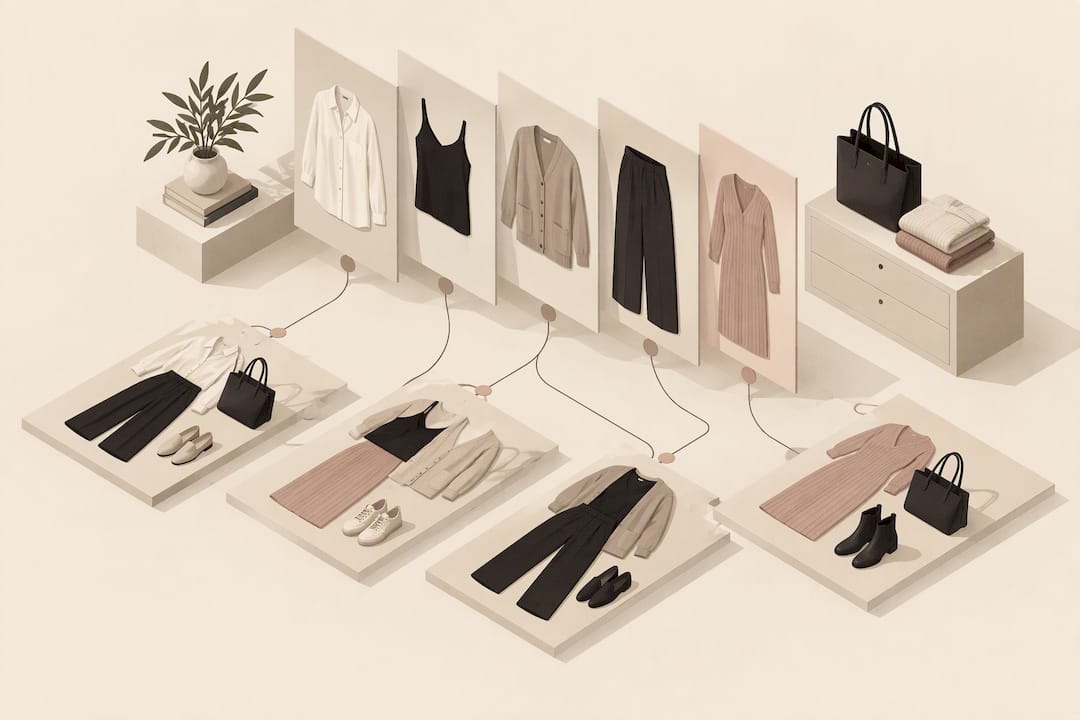
The easiest postpartum wardrobe blends breathable fabrics, nursing-friendly tops, and high-rise bottoms so you can recover comfortably and get dressed fast. Prioritize a robe or button-front top, one or two matching lounge sets, leak-proof underwear, and pull-on leggings with a soft waistband. Pick four to six pieces first. Everything else can wait until you know what your body actually needs.
TL;DR:
- Choose breathable fabrics like cotton, bamboo, or modal for skin contact and avoid firm compression garments until fully healed.
- Build a postpartum wardrobe with five to six versatile pieces, including a robe, matching lounge set, high-waisted leggings, and leak-proof underwear, to cover initial recovery needs.
- Prioritize nursing access with snap, clip, or button-down designs and use disposable mesh or cotton briefs for comfort and practicality during bleeding.
- Wait until after six weeks postpartum to purchase structured outfits or bridge pieces, as body size and shape continue to change during recovery.
- Use digital wardrobe tools to identify existing postpartum-appropriate clothes and generate outfit ideas, minimizing unnecessary purchases and decision fatigue.
Table of Contents
- Postpartum Wardrobe Essentials: The Pieces to Own First
- Dressing Through Each Recovery Stage
- Fabric, Fit, and What Recovery Actually Requires
- Nursing Access, Pumping, and Underwear That Actually Works
- How to Build a 10-Piece Postpartum Capsule
- Seven Outfit Formulas Worth Repeating
- How OtherLook Helps You Work With What You Already Own
- Author's Perspective: Kind, Practical Advice for Dressing Postpartum
- Try OtherLook to Build and Preview Your Postpartum Capsule
- Sources
- FAQ
Postpartum Wardrobe Essentials: The Pieces to Own First
A workable postpartum wardrobe rests on a handful of items that do double or triple duty. You don't need thirty new outfits. You need five or six pieces that solve for comfort, nursing access, and low effort at the same time.
Start with a robe or a button-front top for the hospital bag and the first days home. Editors at outlets like BabyList consistently flag robes and matching lounge sets as the most-worn postpartum items, and that consensus holds because both work for feeding, visitors, and lounging without a second thought. A matching set (soft top, elastic-waist bottom) photographs fine for those first newborn pictures and still feels like pajamas.
From there, build out:
- High-waisted leggings or pull-on pants with a soft, wide waistband for gentle abdominal coverage
- One easy dress or jumpsuit with a nursing opening, for the first pediatrician visit or coffee run
- Two to three nursing bras or supportive camis you can wear under anything
- Leak-proof underwear, since postpartum bleeding runs longer than most people expect
Pro Tip: Buy your first nursing bra in your late-pregnancy size, not your pre-pregnancy size. Milk comes in around day three or four, and a bra that fits today may feel like a tourniquet by the weekend.
Dressing Through Each Recovery Stage
What you reach for at day three looks nothing like what you'll want at week eight, so timing your purchases matters as much as picking the right items.
- The first two weeks. Loose, seam-free garments matter most here. If you had a C-section, skip anything with a waistband that sits across the incision, and lean on nightgowns or oversized tees instead. This is not the moment for structured clothing.
- Weeks two through twelve. Nursing access and washable fabrics take priority. A rotation of two or three simple sets, worn on repeat, cuts down the number of decisions you make on four hours of sleep.
- Returning to outings or work. This is when bridge pieces earn their keep. A structured cardigan, a wrap dress, or dark-wash pull-on pants can carry you from home to a store, a pediatrician visit, or a light office day without feeling like a costume change.
Most maternity pieces with stretch panels or wrap closures can shift straight into this middle stage. There's rarely a reason to retire them the day you give birth.
Fabric, Fit, and What Recovery Actually Requires
Fabric choice affects healing comfort more than most new mothers expect. Cotton, bamboo, and modal all breathe better than synthetic blends and handle postpartum night sweats without trapping heat against the skin.

Recovery from a C-section calls for specific waistband placement: choose high-rise, seam-free bottoms that sit above the incision line, and avoid firm compression garments until a clinician clears you for them—learn more about nourishing recovery in the Gids voor Ayurveda postpartum in je kraamtijd. Flat seams and minimal pressure across the lower abdomen protect healing tissue far better than anything marketed as "slimming."
Vaginal delivery has its own considerations. You'll want breathable cuts with enough room for a postpartum pad, and gentle, non-restrictive support rather than anything tight around the hips or waist.
Waist circumference tends to shrink most noticeably in the first month after birth, according to a review published on PubMed. That's one more reason to hold off on buying a full "after baby" wardrobe before your body finishes its early shifts.
- Choose cotton, bamboo, or modal for anything worn against the skin
- Keep waistbands above a C-section incision until healed
- Skip firm shapewear until a provider says it's safe
- Favor loose, breathable cuts if you had a vaginal delivery and need room for pads
Nursing Access, Pumping, and Underwear That Actually Works
Feeding access shouldn't require an engineering degree at 3 a.m. Snap and clip closures are the fastest option and work well for tank tops and bras. Button-down shirts give full coverage and look more polished for outings. Wrap tops offer one-handed access but can shift during a feed. Pull-down necklines work for stretchy tops but expose more than some mothers want in public.
Underwear choices matter just as much. Disposable mesh underwear is a hospital staple worth restocking at home. High-waisted cotton briefs feel gentler on a C-section scar than anything with a tight elastic band, and reusable leak-proof briefs cut down on the disposable pile once bleeding tapers off.
- Snap or clip access: fastest, best for tanks and nursing bras
- Button-down: most coverage, good for leaving the house
- Wrap styles: one-handed, but can shift mid-feed
- Mesh disposable underwear: gentle on incisions, easy to toss
Pro Tip: Layer a loose cardigan over your nursing tank when you're out. It gives you a privacy drape for feeding and doubles as your temperature layer when the AC in every waiting room seems to be set to arctic.
How to Build a 10-Piece Postpartum Capsule
Editorial roundups from sites like TheEveryMom and TheBump routinely land on a compact eight to twelve piece capsule as the sweet spot for new mothers, and for good reason: fewer pieces means fewer decisions on no sleep.
- Three bottoms: one pair of leggings, one pair of soft joggers, one pull-on pant in a dark, forgiving fabric
- Four tops: two nursing tanks, one button-front shirt, one loose sweater or cardigan
- One dress or jumpsuit with nursing access, for anything beyond the house
- One robe or button-front loungewear piece for the earliest days
- One pair of supportive, slip-on shoes
Before buying anything new, sort what you already own. Wrap dresses, button-front shirts, and stretchy maternity leggings usually transition without modification. Spend your money first on underwear and bras, since those wear out fastest and matter most for comfort. Everything else can wait a few weeks until you know your actual size and shape.
Seven Outfit Formulas Worth Repeating
You don't need new outfit ideas every day. You need three or four formulas that work and a willingness to repeat them without guilt.
- Nursing tank, cardigan, and leggings for a low-key day at home
- Elastic-bodice dress with slip-on shoes for a doctor's appointment
- Matching loungewear set with sneakers for a walk around the block
- Button-front shirt over a nursing tank with joggers for visitors
- Wrap dress with a denim jacket for cooler weather
- Oversized tee, leggings, and a baseball cap for the days you didn't shower
- Jumpsuit with a light cardigan for warm-weather outings
Swap fabric weight by season rather than swapping the whole formula: a lightweight modal tank in summer, a heavier cotton or fleece version in winter. A crossbody or hands-free bag matters more than any accessory you'll buy, since you'll likely have a diaper bag, a car seat, and a baby all fighting for your hands at once.
How OtherLook Helps You Work With What You Already Own
Digitizing what's already in your closet solves the real problem: most new mothers own more workable pieces than they realize, buried behind maternity clothes and pre-pregnancy sizes they're not ready to wear yet.
- Scan or upload your core postpartum pieces into a digital closet
- Tag items as nursing-friendly or incision-safe so the app knows what to suggest
- Let the styling engine generate outfit pairings based on those tags
- Preview the combination on an avatar with the "Show It On Me" feature before getting dressed
Tagging even ten or twenty pieces gives an AI stylist enough to work with. The value isn't in owning more clothes. It's in seeing new pairings from clothes you'd otherwise overlook on a tired morning.
Fewer impulse buys, faster mornings, and a wardrobe that actually reflects what fits your body right now.
Author's Perspective: Kind, Practical Advice for Dressing Postpartum
There's no "snap-back" timeline, and chasing one wastes energy you don't have. Bodies recover on their own schedule, and clothing should meet you where you are, not where an old wardrobe assumes you'll be. Start small. Try one new pair of supportive underwear. Build a 10-piece capsule before you buy anything else.
— Royston
Try OtherLook to Build and Preview Your Postpartum Capsule
Otherlook is the alternative to buying a whole new postpartum wardrobe blind. Instead of guessing what will fit or flatter a body that's still changing, you digitize the pieces you already own, tag them for nursing access or comfort, and let the app show you combinations you'd never have paired on your own.

The OtherLook Free plan lets you start digitizing a small capsule today with no upfront cost, and the Pro plan at $7.99 a month unlocks more outfit generations and bulk digitization if you want to scan your whole closet at once. Wardrobe photos stay in your private digital closet and are used only to generate your own outfit suggestions. Visit the OtherLook landing page to start building your postpartum capsule and preview outfits with "Show It On Me" before you get dressed.
Sources
- Postpartum body composition: PubMed entry
- Body composition changes in the postpartum: a systematic review
- WHO recommendations on maternal and newborn care for a positive postnatal experience
FAQ
What Is the 5-5-5 Rule in Postpartum Recovery?
The 5-5-5 rule suggests spending the first five days in bed, the next five days near the bed, and the following five days close to home, easing back into activity gradually. It's a recovery pacing guideline rather than a clothing rule, but it lines up well with a wardrobe plan: loose, seam-free garments for the first five days, then simple nursing-friendly sets as you start moving around more.
What Is the Best Outfit to Wear Right After Giving Birth?
A soft robe or button-front top over loose pajama pants or leggings works best in the first days home. Skip anything with a tight waistband, especially after a C-section, since high-rise, seam-free bottoms feel far more comfortable while the incision heals.
What Is the 3-3-3 Rule for Postpartum Clothes?
Definitions vary across parenting sources, but the version most commonly used suggests wearing three days in pajamas, three days in loungewear, and three days in "real clothes" as a gentle reentry timeline. It's a mindset tool more than a strict rule, meant to remove pressure to get dressed up too soon.
What Is the 7-7-7 Rule for Postpartum?
Like the 3-3-3 rule, the 7-7-7 rule isn't a formal medical guideline, and its exact definition varies by source. Most versions extend the same idea over a longer window, roughly a week each in bed, near the bed, and around the house, which tracks with WHO guidance on individualized postnatal recovery rather than a fixed timeline for everyone.
When Should I Buy Bridge Pieces for Returning to Work?
Wait until you have a clearer sense of your day-to-day size, usually somewhere past the six-week mark, since body composition changes continue for months after birth rather than settling immediately. Buying one or two structured pieces, like a cardigan or wrap dress, close to your return date avoids purchasing for a body that's still shifting.